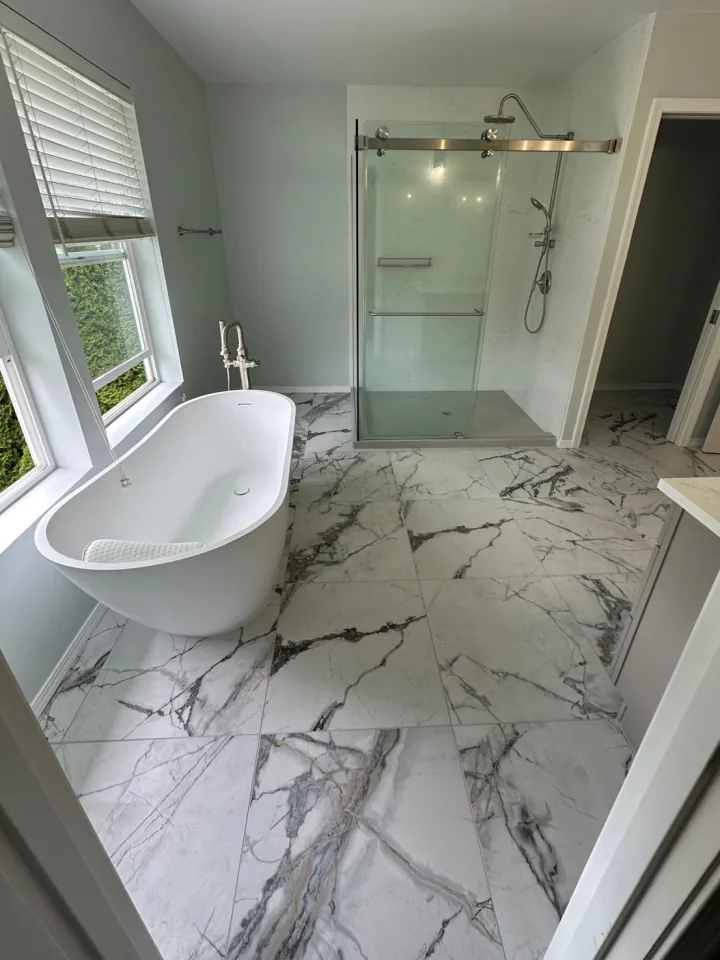
Replace your bathtub or shower when the surface is cracked or soft underfoot, when water is getting past it into the floor or walls, when mold keeps coming back after cleaning, when stains won't scrub out because the finish is worn, or when it no longer fits how you live. Small problems like a dripping faucet or moldy caulk can usually be fixed. Damage to the tub or shower itself usually can't.
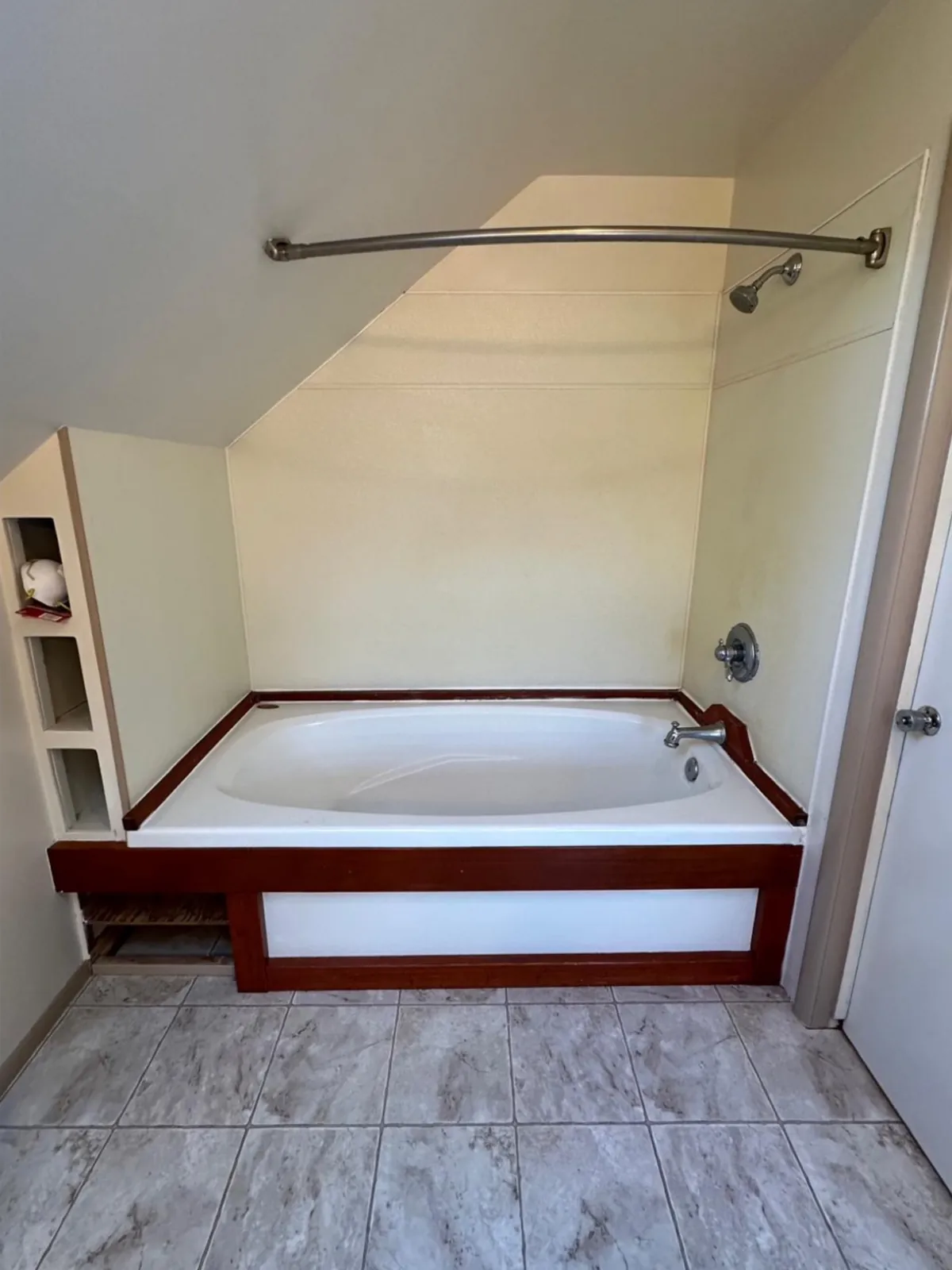
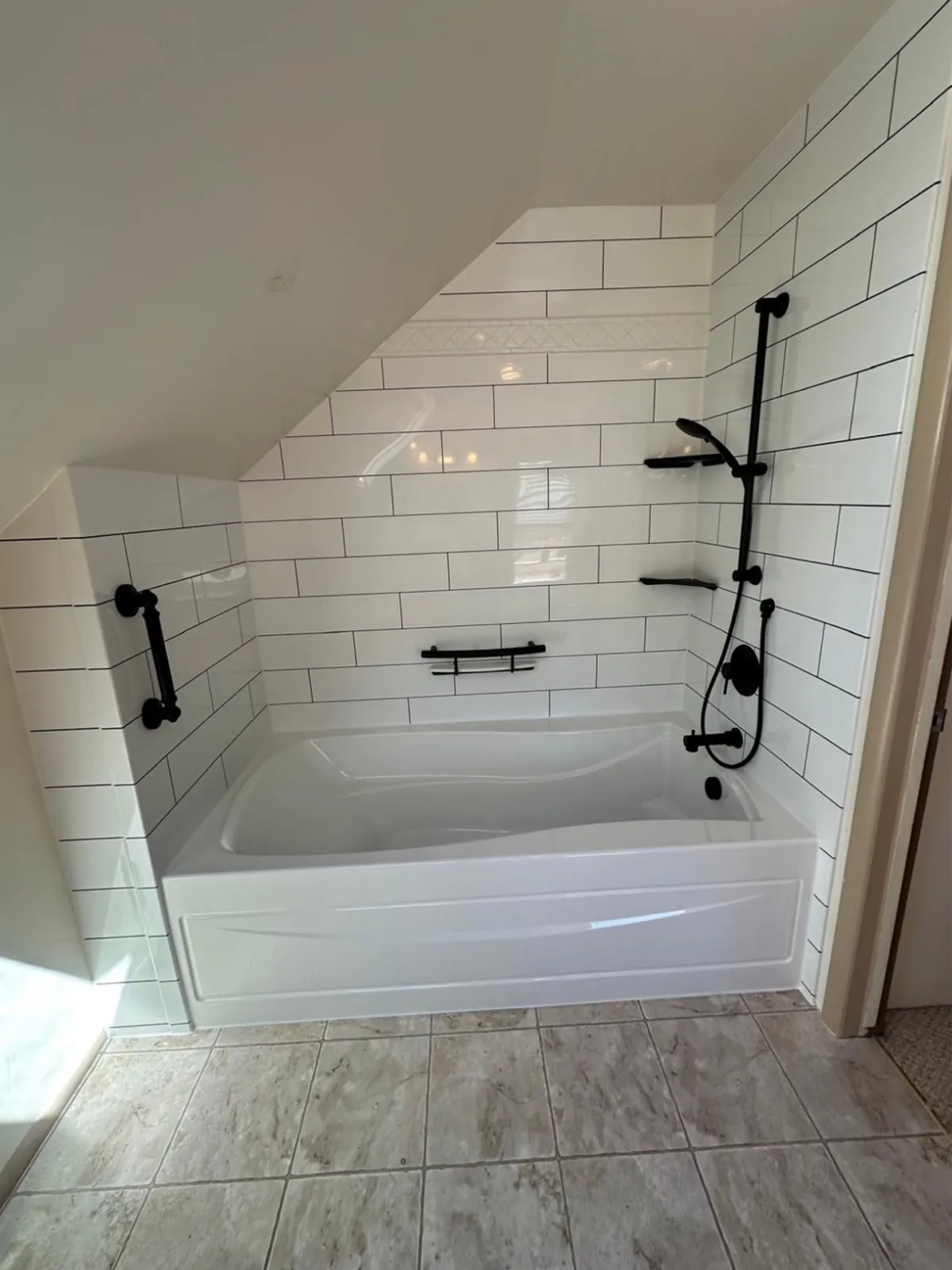
Cracks, chips or a soft spot in the base
A crack or chip is more than a looks problem. It is a gap in the waterproof surface, and water that gets through it reaches the floor and the wall framing. If the floor of the tub or shower flexes when you stand on it, the support underneath may already be damaged. Either one is a sign to replace, not patch.
Leaks or water damage nearby
Look for water pooling around the base, loose or stained flooring next to the tub, peeling paint or a stain on the ceiling below the bathroom, and a musty smell that doesn't go away. Leaks that get into the floor or walls can rot the subfloor and framing if they go on, so it's worth finding the source quickly.
Mold or mildew that keeps coming back
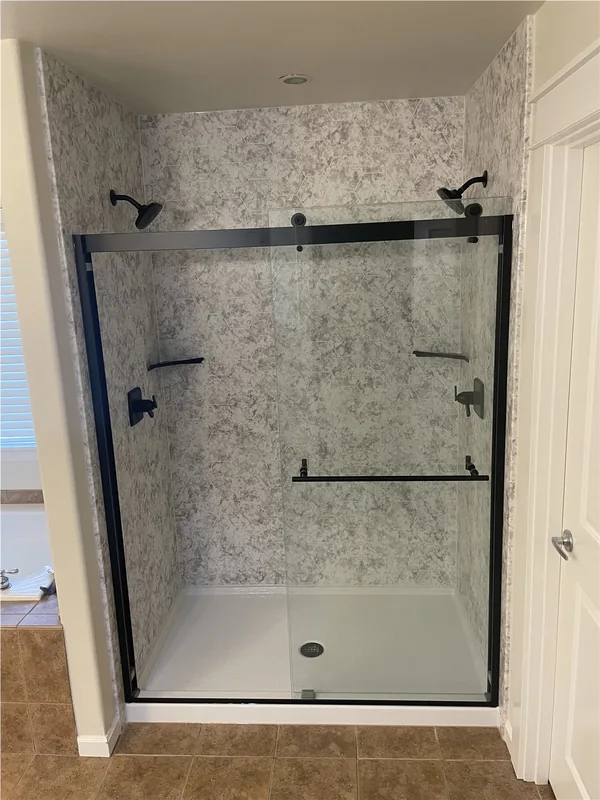
Some mildew in a damp bathroom is normal. Mold that comes back days after you clean it, or that grows in grout lines and behind caulk, usually means moisture is getting in where it shouldn't. Better ventilation helps. If the grout and walls are the problem, new acrylic walls with no grout lines remove the places mold settles. Our tubs and showers are treated with Microban to resist mold and mildew.
Stains and a worn finish
A tub or shower should come clean with ordinary cleaners. When the protective finish wears off, the surface gets rough and porous, dirt settles in, and stains stay no matter how hard you scrub. At that point the surface is worn out.
It no longer fits how you live
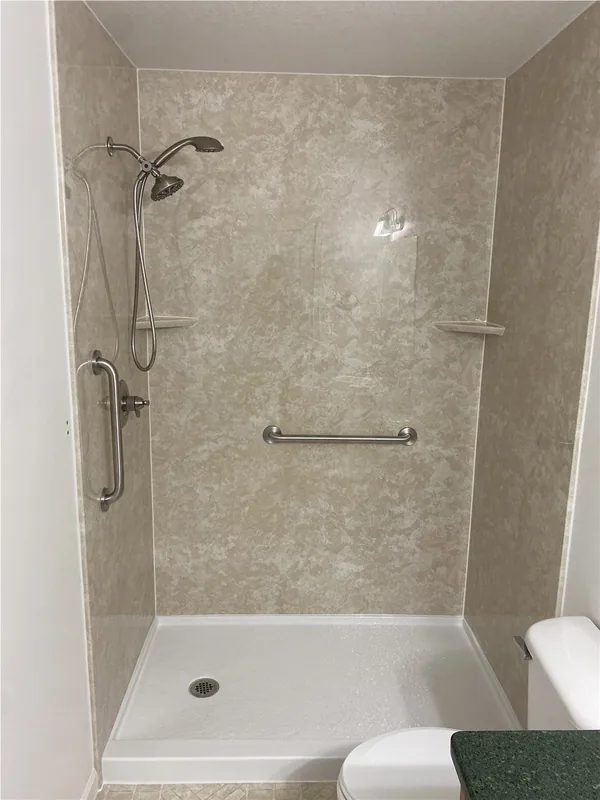
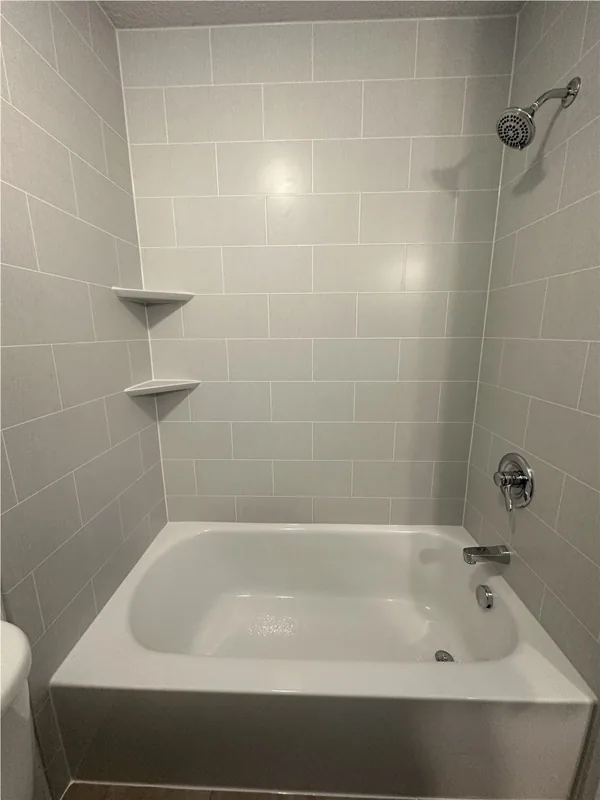
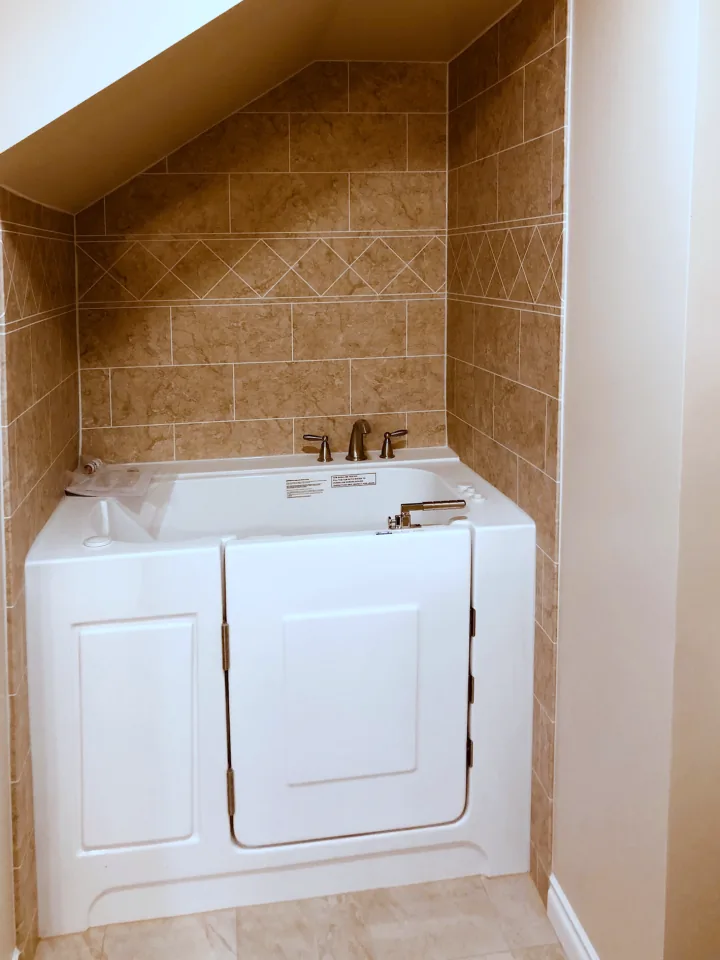
Sometimes nothing is broken. The kids have grown and nobody uses the tub, so a tub to shower conversion makes more sense. Stepping over the tub wall has become hard, so a low-threshold shower or a seat and grab bars would make bathing safer; see our accessible tub and shower options. Or the style is simply dated. Those are good reasons too.
Repair or replace?
| Problem | A repair may be enough | Replace when |
|---|---|---|
| Dripping faucet or showerhead | Usually a worn part a plumber can replace | Not a reason to replace the tub on its own |
| Mold in the caulk | Remove and recaulk | Mold is in the grout or behind the walls |
| Small chip | A repair kit or refinishing can cover it | The chip has let water in, or there are many |
| Crack or soft base | Rarely | The base flexes or the crack goes through |
| Stains | A deep clean if the finish is intact | The finish is worn and stains won't come out |
Frequently asked questions
Can I refinish my tub instead of replacing it?
Refinishing puts a new coating on the old surface. It can hide stains and small chips, but it doesn't fix a cracked or flexing base or a leak, and the coating can wear and peel over time.
Is a leaking faucet a reason to replace the tub?
No. A dripping faucet or showerhead is usually a worn part inside the fixture that a plumber can replace.
How long does a tub or shower replacement take?
We install most tub and shower replacements in as little as one day once the custom parts are made.
If you're seeing any of these signs, we can take a look. Learn about our bathtub replacement and shower replacement, or set up a free consultation at home or at our Redmond showroom.